
Sources for Carpentersville Neighbors
The most useful block sources do different jobs. KaneGIS4 shows the spatial relationship among lots. DevNet then supplies one public parcel card at a time. Village files can document a permit or public action at a known address, while a directory or Sanborn sheet can reconstruct an older block. The access limits belong beside the result.
| Source | What It Shows About a Block | Access |
|---|---|---|
| KaneGIS4 | Adjacent parcel shapes, roads, labels and district context | Public viewer; geometry is not a survey |
| DevNet Parcel Search | PIN, site address, recorded owner, mailing block, tax year and class | Free, one parcel or address at a time |
| Recorder LRS | Transfers, plats, easements and legal descriptions across nearby lots | Public app plus Recorder computers |
| Village zoning map | Named streets and land-use areas on the official 2019 map | Public map; verify present status |
| Sanborn Dundee map | Historic street arrangement, footprints and uses | 1933–May 1940 public Library of Congress set |
| Illinois voter lookup | One submitted person's status and civic location | Name, birth date and ZIP required; no public block roster |
| Village permit or FOIA file | Dated project, inspection, code, or municipal record by address | Narrow office request; exemptions apply |
| Regional directory | Historic name-to-address or possible reverse-address snapshot | Confirmed 1933–1934 item; library run not posted |
An owner is not always an occupant. Mailing and site addresses may differ, and a historic entry may describe a business. State the record's exact claim instead of turning it into a current household fact.
Define Carpentersville Neighbors First
Choose one practical meaning before opening a portal. “Adjacent” means parcels sharing a boundary. “Same block” means the lots between chosen cross streets. “Same district” might mean Dundee Township, the Village, a school, library, fire, or park district. A historic block means people or uses found near one another in a dated directory, census, map, or newspaper.
Those groups overlap but are not equal. A postal ZIP does not set a village line. A civic district can cross a road in a way that is not obvious from the mailing address. A modern parcel split may create several lots where a Sanborn sheet showed one. Write the selected radius and date at the top of the notes before recording a single name.
Scope the search. A four-parcel adjacency check needs far less personal data than an open-ended sweep of a whole Carpentersville neighborhood.
Map a Carpentersville Block by PIN
Use the KaneGIS4 viewer to place the starting address, then work outward in a fixed order. The live viewer's full layer list was not captured in research, so do not claim a buffer tool or layer that is not visible in the current session.
- Find the target parcel and save its PIN, street label, and selected map context.
- Identify the four, six, or eight parcels that actually touch it. Save their PINs before collecting names.
- Open each PIN separately in DevNet. Record site address, owner and mailing block, and selected tax year.
- For a past block, compare plats and the 1933–1940 Sanborn geometry for parcel splits, merges, or changed use.
- Use Recorder legal descriptions only when a transfer, easement, or subdivision question calls for them.
The county GIS FAQ warns that mapped geometry may not exactly match a survey or legal description. It is good for finding adjacent lots, not settling a boundary dispute. For a whole road rather than the immediate radius, use the Carpentersville street directory workflow.
Read Carpentersville Parcel Cards Carefully
The Kane DevNet portal searches by parcel number, owner, house number, street name, street type, and city. Each public card can show the PIN, site address, owner and mailing address, property class, tax code, status, values, exemptions, payment history, sales history, and a GIS link. A different mailing address may suggest that the recorded owner receives tax mail elsewhere. It does not identify the current occupant.
Select the current tax year before describing a current fact, and save that year in the notes. The county calls the data a regularly updated working file and says it is not a substitute for the tax bill. Homestead-related fields are assessment indicators, not direct observation that a named person is present each day. These limits are vital when discussing nearby households.
- Adjacent parcel
- A separate legal lot that shares a mapped edge with the target parcel.
- Mailing address
- The address used for tax correspondence, which can differ from the property's location.
- Plat
- A recorded drawing that lays out lots, blocks, roads, or a subdivision.
District Lines Around Carpentersville Blocks
Kane County voter-data descriptions reveal how many civic geographies can meet around a block. Fields may include township, village, library, park, fire, and school districts. Carpentersville and Dundee-area examples include Dundee Township, the Village of Carpentersville, Fox River Valley Public Library, Dundee Park, Carpentersville & Countryside Fire, and Community Unit School District 300.
The Kane County elections page is the official route for election and district resources.
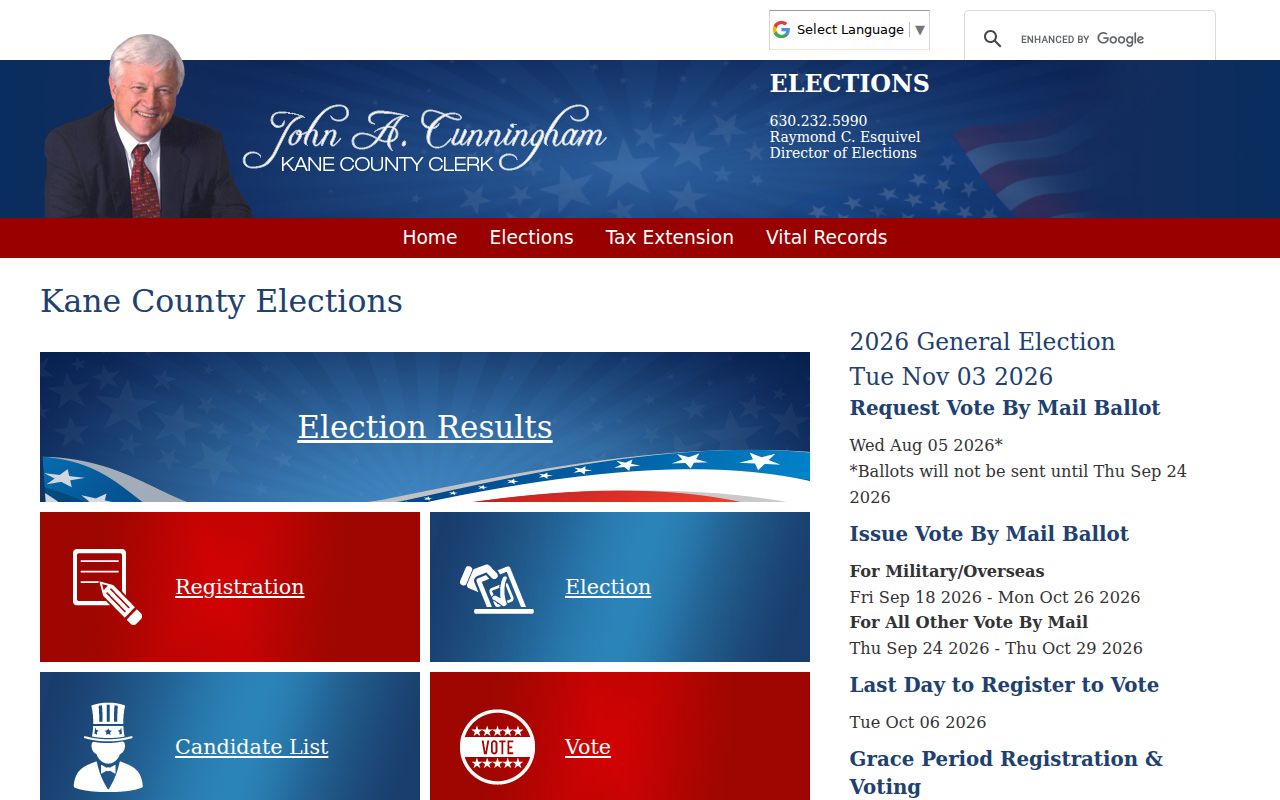
Use district information to explain shared services, not to infer who lives at an address.
The public Illinois registration lookup confirms one submitted voter and requires first name, last name, birth date, and ZIP. It is not a street-wide roll. The county voter file is restricted to qualifying political committees for bona fide political purposes, so it cannot supply a public block roster.
The Kane voter-data request page states those restrictions.
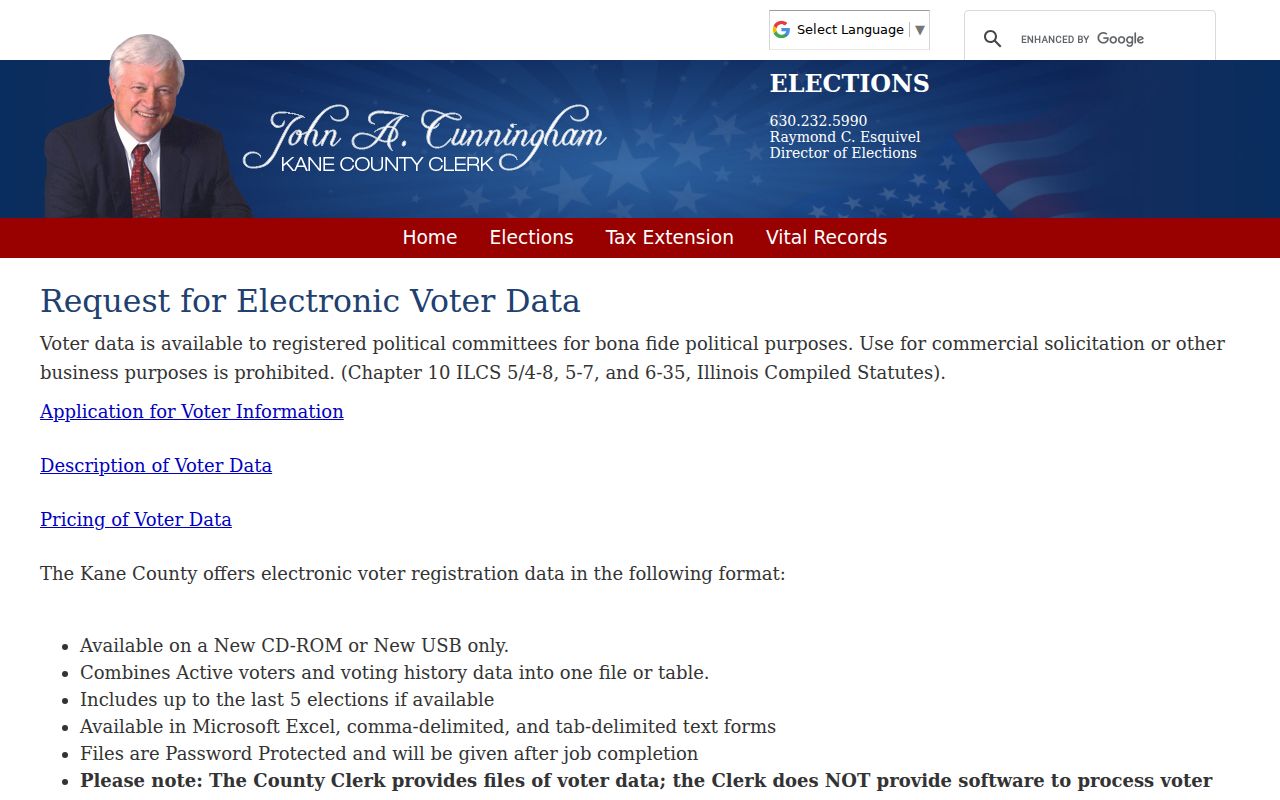
The restricted route should be described as a boundary, not a workaround for block-level names.
Carpentersville Neighborhood Watch Contacts
The Village's strongest public neighborhood-area resource is its official Neighborhood Watch program. It explains how residents can contact the Police Department Community Relations Officer, hold a first meeting, define an area, and develop a block-captain structure. The program may use a membership list and area map for administration, but those are not a public resident directory.
The Start a Neighborhood Watch page provides the official public contact path.
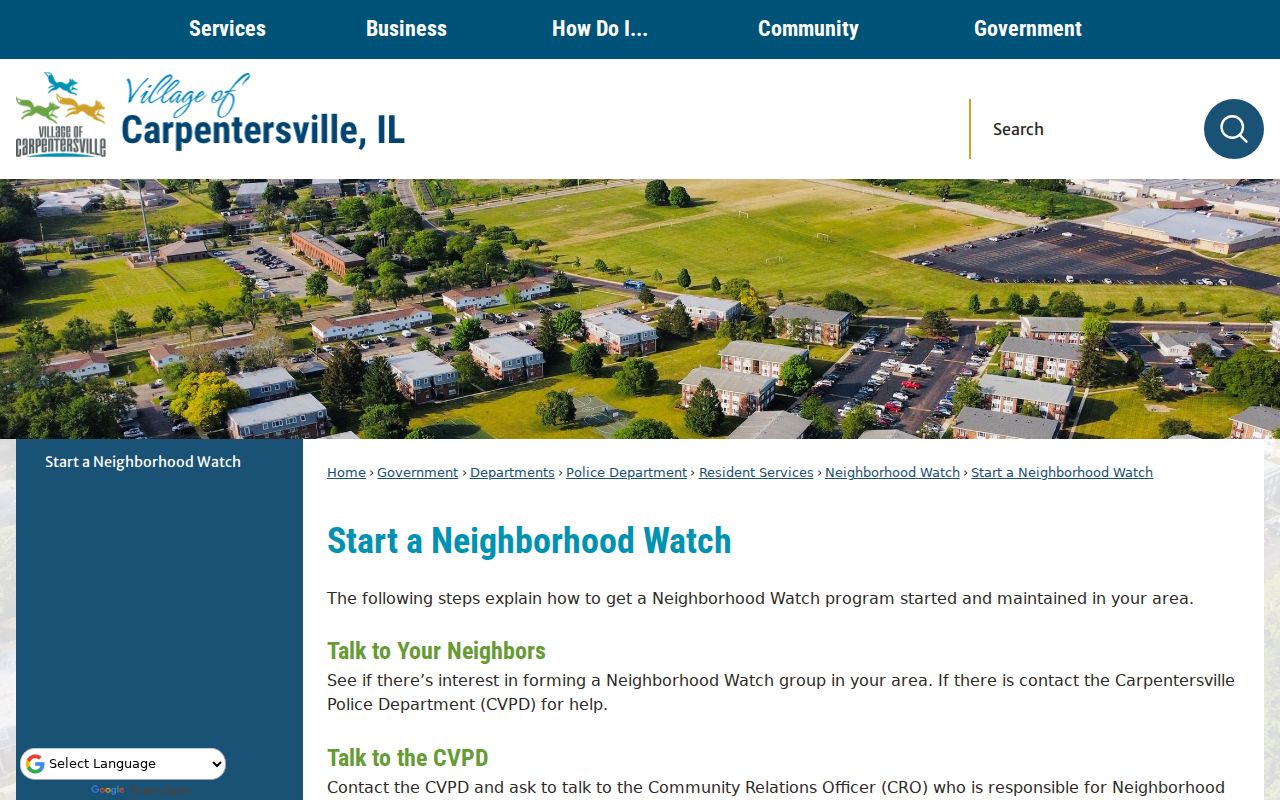
It gives a safe way to organize a block without publishing member addresses or private rosters.
| Public resource | Useful contact purpose | What it does not provide |
|---|---|---|
| Neighborhood Watch | Community Relations Officer and area-organizing steps | A public membership or home-address list |
| Village resource directory | Organizations, churches, services, and category search | An individual household roster |
| Boards and commissions | Dated public civic roles in agendas and minutes | Proof of a person's current home |
No official public HOA, neighborhood association, block club, or civic-association roster was located. Ask Village staff or the library only for public-facing organization contacts.
Request Carpentersville Block Records Narrowly
Community Development handles building permits, inspections, code compliance, planning, and zoning, but research found no open public permit-case index. A narrow request can seek a known record type for a known address and date range. It should not ask the Village to build a broad neighbor list.
The Village FOIA page describes online, paper, email, fax, phone, and in-person request routes.
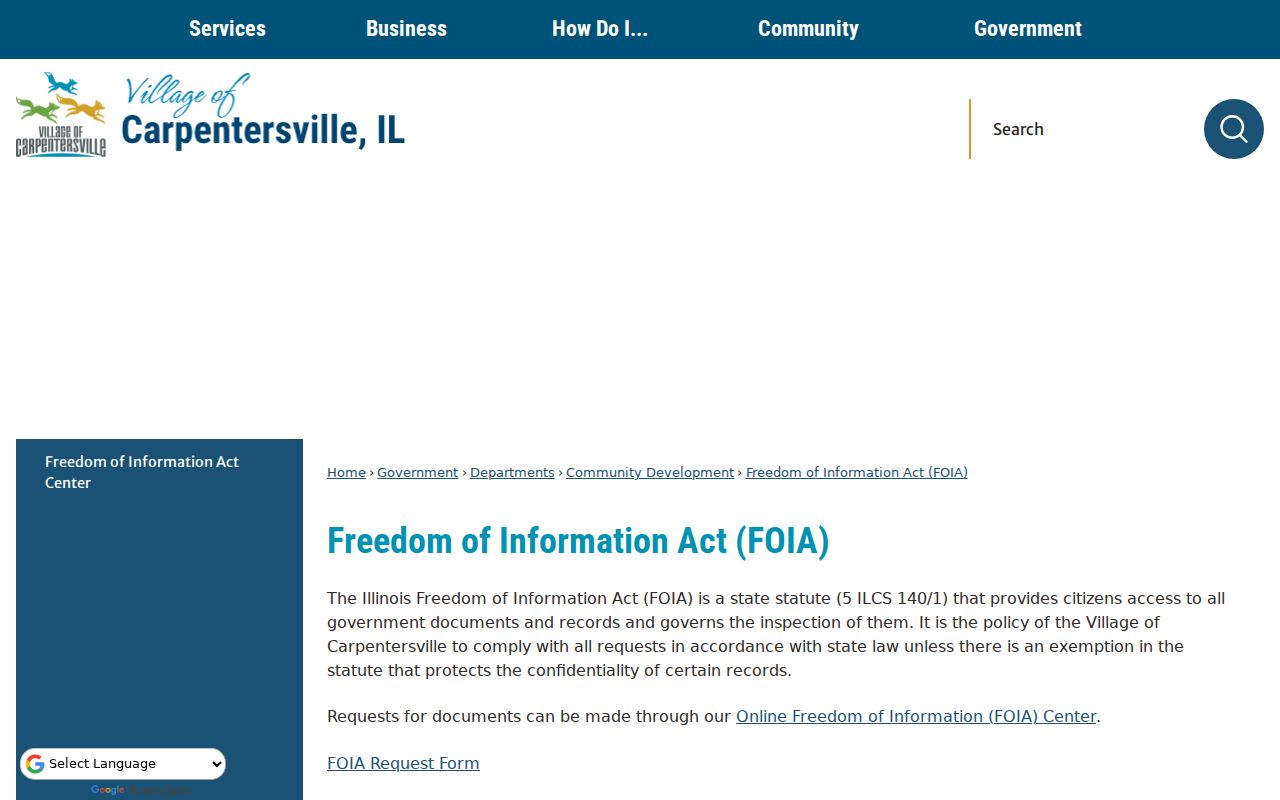
Its channels make an address-and-date request reproducible while allowing the Village to apply lawful exemptions.
Useful terms include the exact street number, normalized street name, permit or inspection type, and a short date window. Illinois FOIA ordinarily targets a five-business-day response for noncommercial requests, subject to extensions and exemptions. Ask to inspect if that suits the research, and preserve the response date and any withholding explanation.
Search Carpentersville Civic Archives
A current block has a public administrative history beyond property files. Village agendas, minutes, ordinances, and notices may document a zoning matter, road change, public meeting, or official role tied to a date and place. The archive is searchable by keywords, category, and date range, but it is not a person or household index.
The Village archive advanced search shows the available search route.
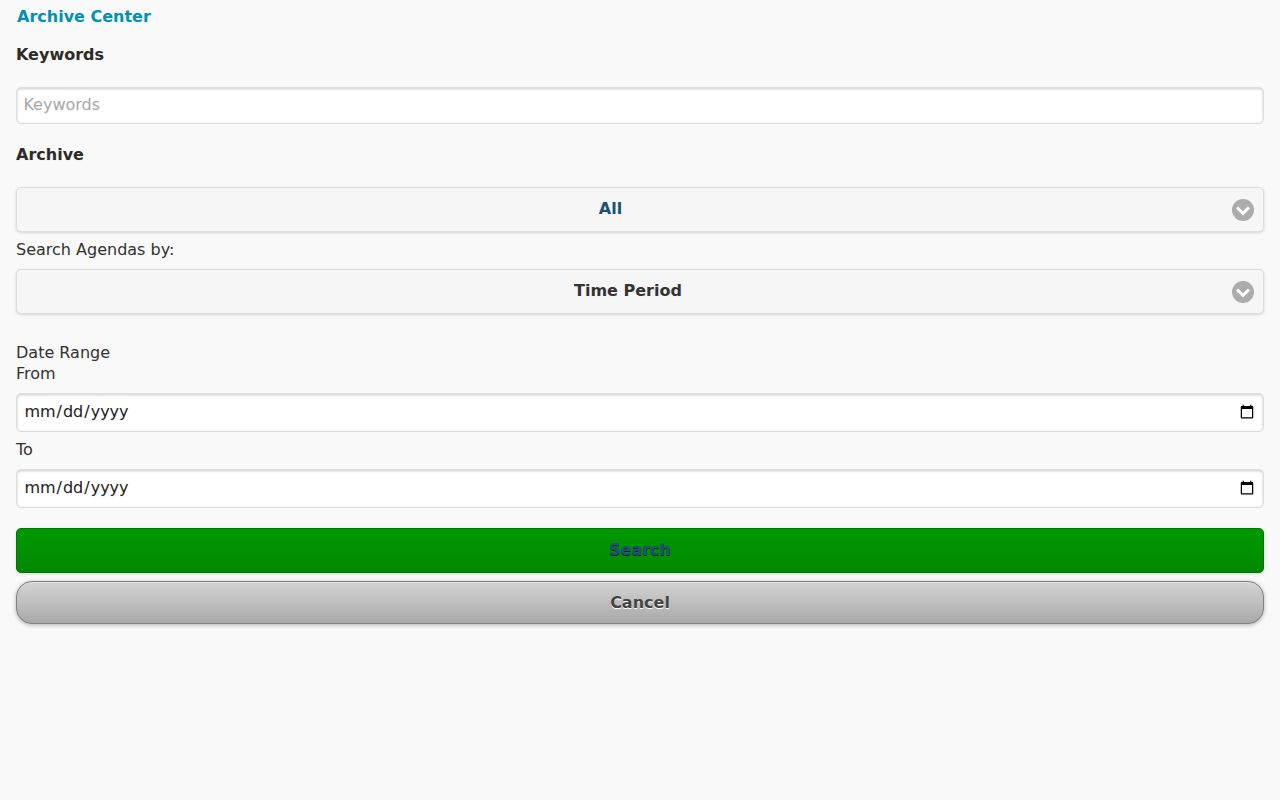
Search a street or public project with a tight date range, then cite the dated record rather than treating an archive mention as proof of residence.
For a historic block, compare the archive with the Evans 1933–1934 regional directory, the Sanborn Dundee sheets, newspapers, and Fox River Valley Public Library files. Old Town, the Fox River industrial corridor, and Meadowdale represent distinct development periods. A block that looks stable on today's map may have had different lots, uses, or nearby institutions in another era.
Official Sources for Carpentersville Neighbors
Commercial neighbor tools may combine old addresses, scraped profiles, and inferred relationships without showing how a result was formed. Official rolls are narrower but easier to audit. Choose the source that directly answers the question and keep its limits in view.
| Method | Strength | Limit |
|---|---|---|
| GIS and assessment rolls | Dated parcel, geometry, owner, mailing, and tax context | Ownership does not establish household membership |
| Recorder and Village files | Recorded instruments or address-specific public actions | May require office research or a narrow request |
| Directories and maps | Dated historical names, addresses, and physical context | Coverage has gaps and entries need verification |
| Commercial category | Fast compilation across many sources | Provenance, freshness, and identity matching may be unclear |
For a Carpentersville block, a small set of cited county and Village records is more defensible than a large list with no source date. Correct an error by returning to the custodian, not by repeating it across more compilations.
Privacy for Carpentersville Neighbors
Public property data does not reveal every adult, child, guest, or renter at a parcel. Utility, delivery, and private program membership data are not open neighbor lists. Illinois also operates an Address Confidentiality Program that provides a substitute address to eligible survivors of domestic violence, sexual assault, human trafficking, or stalking. The program does not erase land records that already existed, but it is a clear reason to collect no more than the task requires.
Keep a map based on PINs until a legitimate need calls for owner names. Do not publish a private Neighborhood Watch list, attempt to bypass voter-file limits, or turn board service into a home-address claim. When sharing a historic result, state its date so readers do not mistake a former household for current block residents.
Lawful use. Use neighbor records for civic context, block history, or limited personal research. Never use them to watch, intimidate, threaten, or harass anyone.
Note: KaneGIS4 locates parcels for research, but a current survey and legal description govern precise boundary questions.